Size and growth
The aggregated food and beverage market of Central Asia and Afghanistan is estimated at $58–78 billion across a regional population of 125 million+. Uzbekistan is the region’s most populous market, and national retail turnover reached UZS 182 trillion in 2024.
Three forces drive it:
- rising real incomes and urbanisation move shoppers from bazaar counters into chains;
- modern trade expands and builds shelves for private label;
- e-commerce and delivery create, for the first time, demand for small-batch local production.
Why Samarkand, not only Tashkent
Samarkand is a southern logistics node: closer to Dushanbe, Termez and the Afghan border, with an airport 16 km from the exhibition centre and a railway station 23 km away. For a supplier, one trip can cover buyers from three countries.
Who attends a food exhibition
| Segment | Looks for | Decision route |
|---|---|---|
| Retail chains | margin, supply stability, private label | tender, trial batch, contract |
| Wholesale and distributors | exclusivity, logistics, payment terms | agency agreement |
| HoReCa and catering | format, consistent quality, local delivery | direct contract with service |
| Importers | documents, certification, packaging | working through a partner importer |
Risks mentioned at the forum, not in the brochure
- Currency and import restrictions — price with a corridor and keep a local partner.
- Certification — a new SKU can take weeks; start before the show.
- Last mile — chains require delivery to their distribution centre on their schedule.
- Payment discipline — first batch prepaid, then a credit limit.
Using the exhibition as a tool
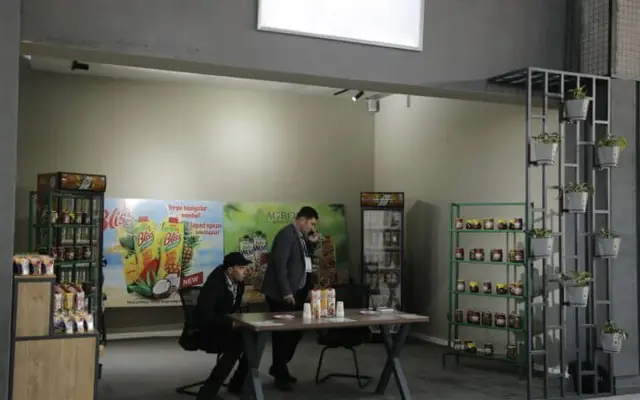
FOODERA EXPO in Samarkand delivers three things cold outreach cannot: a buyer audience in one place for three days, a physical tasting and negotiation context — contracts are signed more often at trade shows because both sides arrive already inside a buying process.